
"produced in Central America"
3000 article(s) found

Introduction of boutique coffee in Matagalpa in Central America and Nicaragua
In many countries, coffee production will be seriously affected for political reasons. Nicaraguan coffee industry is no exception. The 1979 revolution forced coffee planters to flee to Miami. A period of indecision followed, when the government considered whether to redistribute land (including many plantations), which led to a shortage of coffee and a decline in production since the early 1970s

Nicaraguan Coffee treated with Water in Central America Matagalpa is introduced.
The suitable climate provides an excellent growth environment for the cultivation of coffee. The mineral-rich pozzolanic soil provides abundant nutrients for the cultivation of coffee trees. High-quality Nicaraguan coffee is also grown in the northern and central highlands of the country. The best coffee is produced in Matagalpa (Matagalpa), which is highly respected by coffee lovers all over the world.

Leaf rust sweeps coffee plantations in Central America
According to a recent report released by the International Coffee Organization, the production of coffee crops in Central America has been reduced by about 15% in 2012 and 2013 due to leaf rust. As the overall economic growth in Central America slows, coffee growers in the region will suffer a double whammy of reduced production of coffee crops and a collapse in coffee prices, which will also hit the economies of Central American countries hard. As the coffee crop in Central America is in the international coffee market.

Cultivation of boutique coffee beans at Los Congo Manor in central Central America geographical location, climate, altitude is simple.
The delicate and smooth taste and balanced taste of coffee in the mouth is the most fascinating. This delicate taste can make the taste of coffee more complete and meticulous, so that the taste nerve can more fully experience the rich taste of coffee. The smooth taste can reduce the clutter caused by the rich taste and remember the different flavors more clearly.

Description of Latin American coffee flavor, introduction of Latin American coffee
The characteristics of the flavor of Central and South America: balanced, moderately sour and mellow Central and South America is the world's largest coffee producing area, where there are numerous boutique coffees. Take Colombia, Guatemala or Brazil as an example, good coffee is enough to make people dazzling. What is the resource advantage that makes Central and South America so good? French naval officer Gabriel Ma in 1721

Nicaraguan Coffee Coffee beans from Central America
Nicaragua is located in central Central America, bordered by the Pacific Ocean to the west and the Caribbean Sea to the east. The highlands in the north and the coastal plains in the east are part of the Central American volcanic belt. The eastern plain is high-temperature and rainy, with a tropical maritime climate. The suitable climate provides an excellent growth environment for the cultivation of coffee. High-quality Nicaraguan coffee, grown in the north and middle of the country. Coffee is Ni.

Recommendation of West Valley Manor in the Western Valley of Costa Rica
West Valley Manor in the western valley of Costa Rica recommended Central America as a land bridge connecting North and South America. There are seven countries, namely, Belize, Costa Rica, El Salvador, Guatemala, Honduras, Nicaragua and Panama. Seven Central American countries all produce coffee, with Guatemala, Costa Rica and Honduras among the top 10 coffee exporters in the world. Coffee
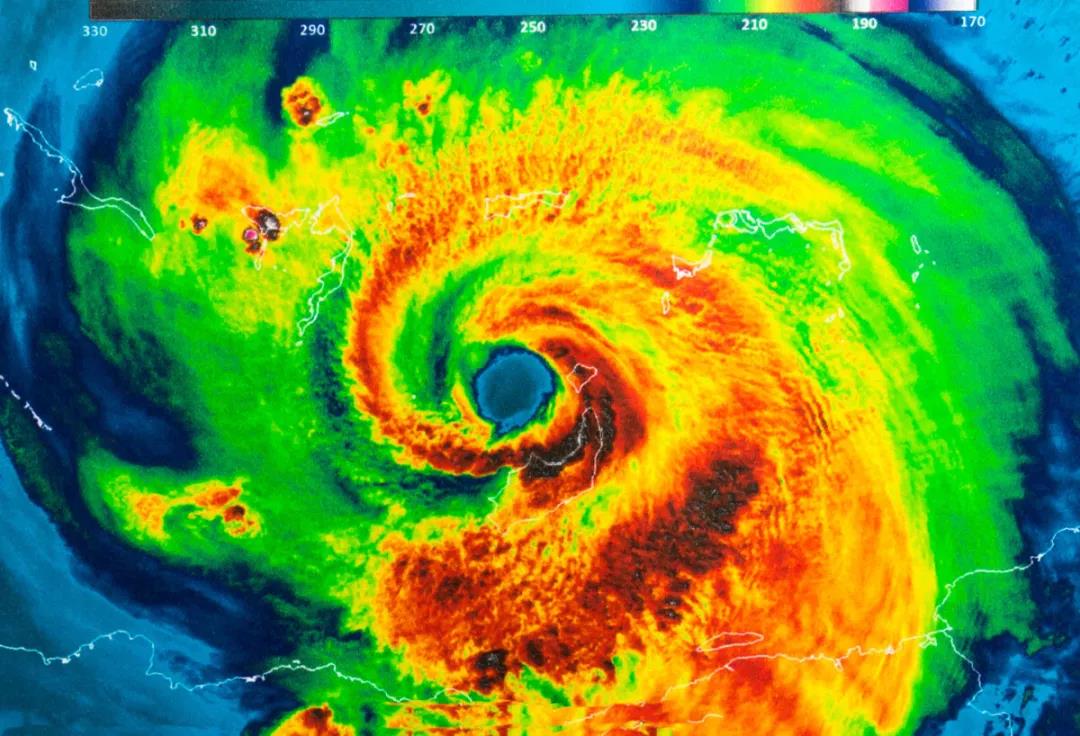
The hurricane hit the Central American producing area and reduced the production of coffee beans in many countries in Central America to varying degrees.
Professional coffee knowledge exchange more coffee bean information please follow the coffee workshop (Wechat official account cafe_style) on November 3, 2020, Category 4 Hurricane ETA (later downgraded to a tropical storm) made landfall in Central America. The hurricane caused varying degrees of losses in Nicaragua, Guatemala, Honduras, El Salvador and Panama, as well as Costa Rica, Mexico and Jamaica.

Characteristics of coffee beans in Latin America Variety introduction of manor flavor description and taste treatment in Latin America
The characteristics of coffee beans in Latin America ■ Mexico (Central America), the main coffee producing country in Central America, where the coffee tastes comfortable and charming aroma, the Mexican coffee selected are Coatepec, Huatusco, Orizaba, among which Cottpe is considered to be the best coffee in the world.

Introduction to the characteristics of Coffee Flavor description in Nicaraguan Tianyi Manor in Central America
Nicaraguan coffee of high quality is in the forefront of coffee beans in the world and enjoys a good reputation. Its particles are moderate in size, mild in taste and very aromatic and mellow. Nicaragua is located in central Central America, bordered by the Pacific Ocean to the west and the Caribbean Sea to the east. The highlands in the north and the coastal plains in the east are part of the Central American volcanic belt. The eastern plain is high-temperature and rainy, with a tropical maritime climate. Suitable

Stories about the characteristics of well-known Central American coffee producing areas
Well-known representative coffee: Tarrazu Costa Rica, like other Central American countries, widely grows Arabica coffee. Its coffee is mainly grown in two high areas, one is the high area near the capital San Jose, and the other is the Tarrazu mountains southeast of San Jose. Because coffee is grown in Costa Rica at high altitudes.

Introduction to the basic knowledge of Coffee Coffee Machine Heat Exchange Boiler
● Mexico (Central America), the main coffee producer in Central America, has a comfortable taste and charming aroma. The Mexican coffees selected are Coatepec, Huatusco and Orizaba, among which Cottpe is considered to be one of the best in the world. The coffee cultivation belt of this country, regardless of geographical or climatic conditions, is related to

A brief introduction to the production and sales of coffee beans at the lemon tree manor in Nicaragua in central Central America
Madriz is an ecological coffee with a very hard shell. In the pure natural planting environment, it uses more complex operations to maintain the delicate aroma and taste of the coffee; it is produced in northern Nicaragua between Matagalpa and Jinotega, with an average annual rainfall of 1500-1700mm and a temperature of 20-29 degrees Celsius. All use manual selection of coffee.

The secret of the long-term success of the St. Vincent processing plant in Honduras, the first largest coffee producer in Central America.
Professional barista exchanges please follow the coffee workshop (Wechat official account cafe_style) St. Vincent processing plant (Beneficio San Vicente) one of the ancient classic processing plants in Honduras St. Vincent (San Vicente) is a family-run processing plant, very famous locally, St. Vincent processing plant as the gatekeeper, to improve the quality of coffee beans! Provide technological upgrading for producers

The Coscarpa region of El Salvador, a small coffee-producing country in Central America
It is one of the small countries in Central America with a very dense population. People here love coffee. The coffee in El Salvador tastes well balanced. Salvadoran coffee exports account for 40% of the country's exports. The best quality coffee is exported from January to March each year, and 35% of the extra hard beans are exported to Germany. In the early 1990s, due to the impact of the war, El Salvador's national economy

Central America's poorest coffee-producing country (Nicaragua)-Matagalpa
Nicaragua is an economically backward agricultural country and one of the poorest countries in Central America. The unemployment rate is very high and the people live in poverty. Coffee is the pillar industry of Nicaragua, producing nearly 100,000 tons of coffee beans every year. Because of the poor economic base, the coffee industry is still relatively backward, and coffee farmers are also in a relatively poor state. Although Nicaragua is a Central American country with a large territory

Characteristics of coffee beans in Africa, Central and South America and Asia where do the best coffee beans come from
Professional coffee knowledge exchange more coffee bean information please follow the coffee workshop (Wechat official account cafe_style) African coffee beans, Central and South American coffee beans, Asian coffee beans characteristics summary: 1. Africa: the flavor of African coffee beans is strong. Take the aroma of fruit and flowers as the main axis, supplemented by other aromas. And the flavor level is distinct. The ones we are most familiar with are Yegashev and Ken

Do American coffee beans represent that there are many coffee-growing places in America? evaluation of Central and South American Coffee
Professional Coffee knowledge Exchange more information about coffee beans Please follow the coffee workshop (official Wechat account cafe_style) every morning, millions of people around the world like to have a cup of coffee to start the day. In doing so, they may not know the exact location of the beans used to produce lattes or black coffee. Generally speaking, the top coffee growing and exporting regions in the world

Which of the main coffee producing countries in Central America is the best coffee producing area in Panama?
Professional coffee knowledge exchange more coffee bean information please follow the coffee workshop (Wechat official account cafe_style) front street-Panama boutique coffee producing area brief introduction in early years, Costa Rica and Guatemala are the main representatives of Central American coffee producing areas, with sweet, lubricating acid, straight through the taste buds, soft, flavor, aroma of coffee unforgettable! However, with Bana

Characteristics of coffee beans in various producing areas in Panama which producing area of Panamanian butterfly coffee
For the exchange of professional baristas, please follow the Coffee Workshop (official Wechat account cafe_style). There are seven countries in Central America, namely, Belize, Costa Rica, El Salvador, Guatemala, Honduras, Nicaragua and Panama. All seven countries in Central America produce coffee, among which Guatemala, Costa Rica and Honduras are global coffee exporters.